

Health Hub
No More British Farmers Means No More British Broth


Running a bone broth business isn’t easy. Even when I was at home with the children making broth for our customers, I faced many challenges; everything from sourcing raw ingredients through to disposing of waste. As the business grows, the challenges become bigger. We get better at managing and navigating them, but one of the greatest challenges we face is out of our hands, and it won’t just impact our business, but the human and pet food industry as a whole.
Britain, once known as one of the world’s leading farming nations, is facing a serious farming and food crisis. Thousands of agricultural businesses are closing each year. While new farming businesses are starting up, the number lost far outweighs the number created. This poses a huge risk to the farming industry. As we lose more farms every year, the amount of food produced in the UK continues to decline. As a result, the UK will either need to import more food or find ways to produce more within the country.
For businesses like ours, if we can no longer access enough British bones, we will eventually be forced to import raw ingredients from Europe. That means standards may fall, while prices rise.
Did you know the UK imports around 40% of its food?
That means, in the UK, the country only produces enough food to feed roughly 60% of the UK population. This should concern everyone, because food security matters. In uncertain times, whether caused by pandemics, wars, rising fuel costs, or disruptions to trade, relying heavily on imported food leaves the country vulnerable.
How would we feed the other 40% of the population if imports became restricted?
By comparison, the United States produces enough food to feed around three times its population, while Ireland produces roughly double what it needs. Meanwhile, the
UK continues to become increasingly dependent on overseas food production. The harsh reality is this: if we lose British farming, then as a country we become more reliant on imported food from countries with lower welfare standards and poorer-quality production methods. That affects not only our farmers, but also the quality of food on our tables.
As a business within the agricultural sector, we are frequently asked questions such as:
Where do your bones come from? Are they halal? Are they organic?
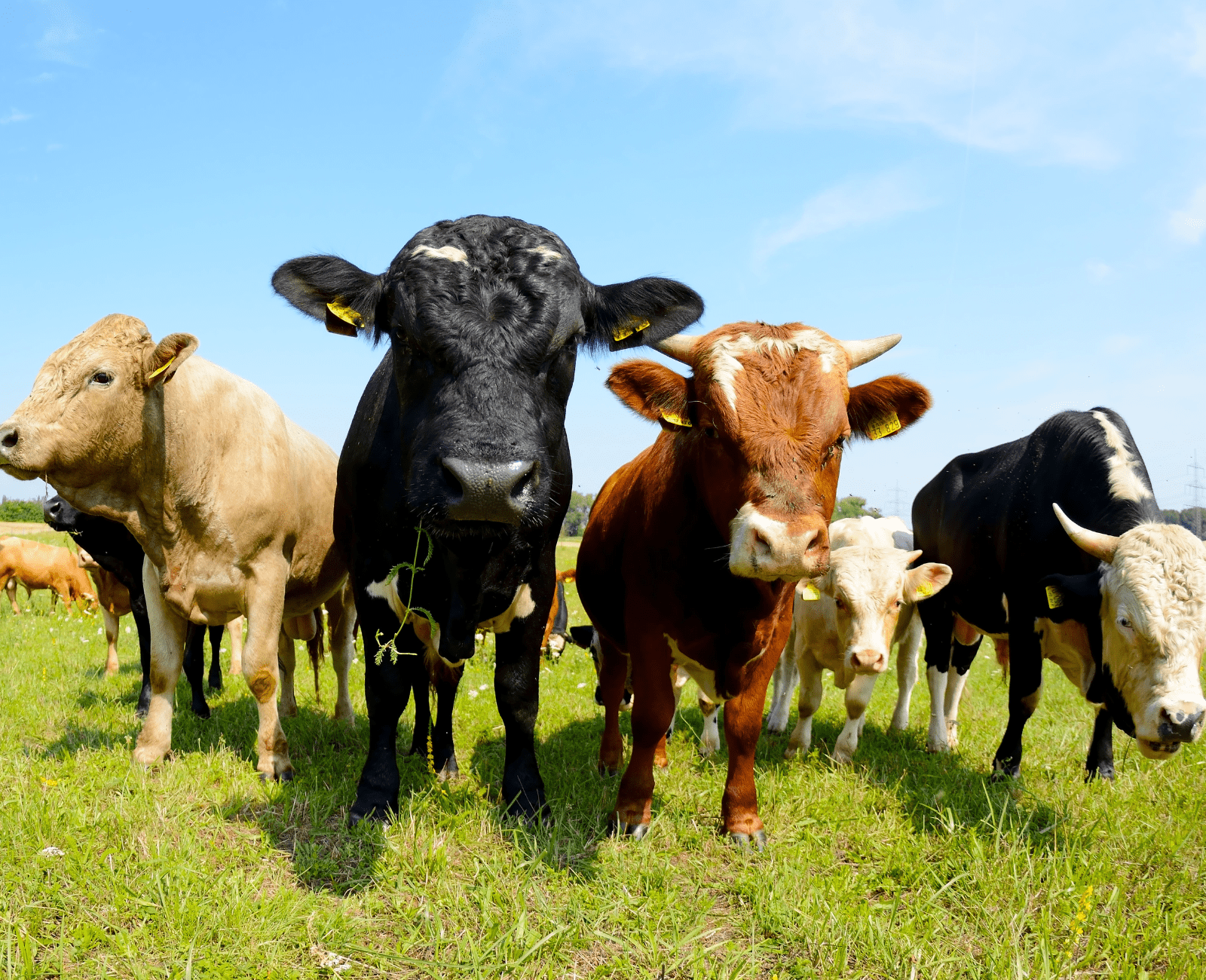
Our customers already know one thing about us; we proudly support British farmers and British businesses. British farming has some of the highest standards in the world, alongside countries such as Australia. For example, it is illegal in the UK to use hormones to promote animal growth. British livestock are often raised on pasture and cared for by farming families who have spent generations producing food for the nation.
All of our bones come from British farms, from the green countryside you pass while driving through the UK. That’s where your broth comes from: animals raised by hardworking farmers who genuinely care about the land, their livestock, and the future of British farming.
When it comes to “organic,” opinions can vary. Personally, I believe truly natural food comes from growing your own produce or buying directly from trusted local farmers. Organic certification can be expensive for farmers, and those costs are often passed on to consumers. If you want to support British farming, one of the best things you can do is buy from local farm shops, butchers, and independent producers whenever possible. Thankfully, the farming crisis is beginning to gain more attention in the media, with public figures such as Jeremy Clarkson helping to shine a light on the struggles farmers face.
But beyond reading headlines or watching documentaries, what can we actually do to help?
One of the biggest ways you can support British farming is by spending even a small amount each month with your local farm shop or butcher. If you don’t live near one, many British farm shops now sell online and deliver nationwide. We all know supermarkets are convenient, especially for busy families and modern lifestyles, and this is not about boycotting supermarkets. They absolutely have their place. Instead, this is about changing small habits.
Perhaps this week you decide to buy your meat from a local butcher. Maybe next week it’s your eggs, butter, or cheese from a nearby farm shop. Even small changes can make a difference.
Not only are you supporting local farmers and producers, but you may also notice the quality difference in the food itself. Many people find locally sourced food tastes better and lasts longer because it is often fresher and produced to higher standards. The issue isn’t simply supermarkets. The bigger issue is that British food producers are often competing against cheaper imported products, making it increasingly difficult for UK farmers to survive in an already challenging industry.
If we want British farming to continue for future generations, we all need to play a small part in supporting it.